

The back pass was once a simple escape route for defenders under pressure, but it encouraged exactly the kind of play that made matches drag. So soccer’s lawmakers changed it.
For a younger fan, the old tactic would look almost absurd. A defender under pressure knocks the ball back to his goalkeeper. The keeper bends down, picks it up and waits. He eventually rolls it to a teammate, gets it back and, if needed, picks it up again.
Nothing illegal. Nothing particularly unusual. But somehow even worse than watching Jordan Pickford unnecessarily fall over in slow motion, ball in hands.
That was part of "The Beautiful Game" until 1992.
The problem was that teams had become rather good at exploiting it. The 1990 World Cup in Italy became notorious for cautious soccer and produced just 2.21 goals per game. Ireland’s 0-0 draw with Egypt was an especially painful example, with goalkeeper Pat Bonner able to repeatedly take possession in his hands as the game crawled along.
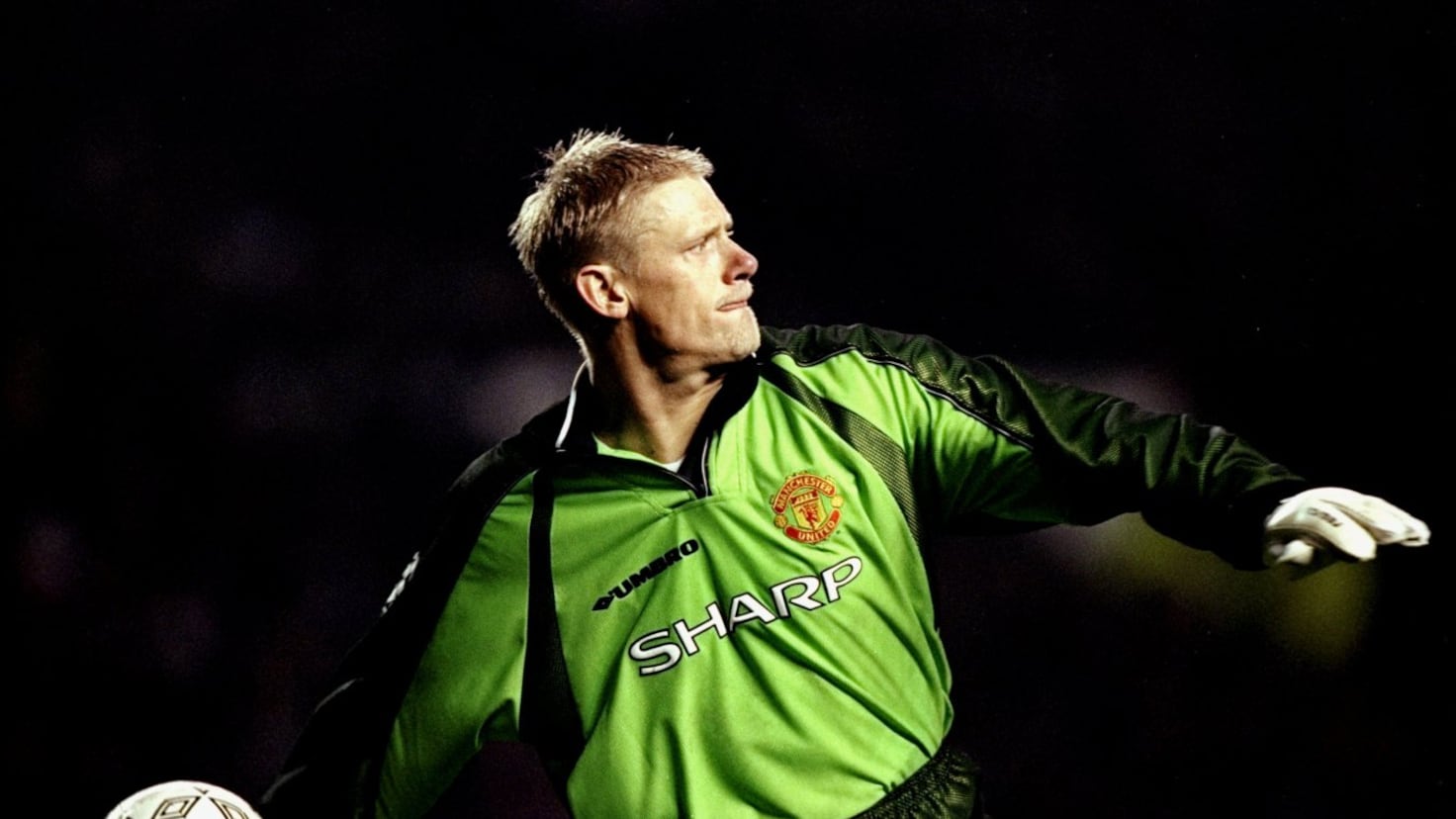
Two years later, Denmark provided another demonstration during its remarkable run to the European Championship title. With Peter Schmeichel in goal, a pass backwards could effectively become a pause button: give it to the keeper, let him pick it up and remove the opposition’s pressure.
Soccer’s lawmakers had seen enough.
For the 1992-93 season, the rules changed. If a teammate deliberately kicked the ball to his goalkeeper, the keeper could no longer simply pick it up.
It sounds like a minor piece of housekeeping designed to stop time-wasting. Instead, it began changing what a goalkeeper actually was.
Suddenly, sending the ball back toward your own goal carried risk. Keepers had to control it, decide where the pressure was coming from and do something useful with their feet.
There were some awkward early moments. Schmeichel, despite being one of the greatest keepers of his generation, later admitted the adjustment was difficult. Anticipating the change, he began joining Manchester United’s outfield players for passing drills.
That idea no longer sounds unusual. In 1992, though, it was a strange glimpse into the future.
Former England and Liverpool great Ray Clemence recalled that distribution received little attention when he began playing. Modern keepers, he later noted, can have the ball at their feet more than in their hands.
That is the real legacy of the rule.
The goalkeeper gradually became another passing option. Teams could use him to escape a press, switch the direction of an attack or create an 11-versus-10 advantage when building from the back.
Eventually came keepers such as Manuel Neuer, Ederson and Alisson, players whose ability with the ball became part of their teams’ tactical identity rather than a useful bonus.
UEFA’s goalkeeper coaching manual goes even further, describing the 1992 change as probably the rule amendment that most affected the position’s subsequent development. Before it, goalkeeping was overwhelmingly defensive. Afterwards, the keeper had to participate continuously when his team had possession.
The rule still exists today. Under IFAB’s Law 12, a goalkeeper cannot handle a ball deliberately kicked to them by a teammate; doing so results in an indirect free kick.
What began as an attempt to stop teams making soccer boring therefore produced something much bigger.
Source: en.as.com — Read the original article